August 19, 2026


Why Staying in Touch With Your Wedding Planner Matters
Planning a wedding is exciting, but it also involves countless decisions, deadlines, vendors, and moving parts. Your wedding planner is there to keep everything organized and guide you through the process, but even the most experienced planner cannot do that effectively without consistent communication.
Staying in touch does not mean you need to answer every message immediately or spend every day thinking about your wedding. It simply means keeping your planner informed, responding within agreed-upon timeframes, and sharing important updates as they happen.
Your Decisions Affect the Entire Timeline
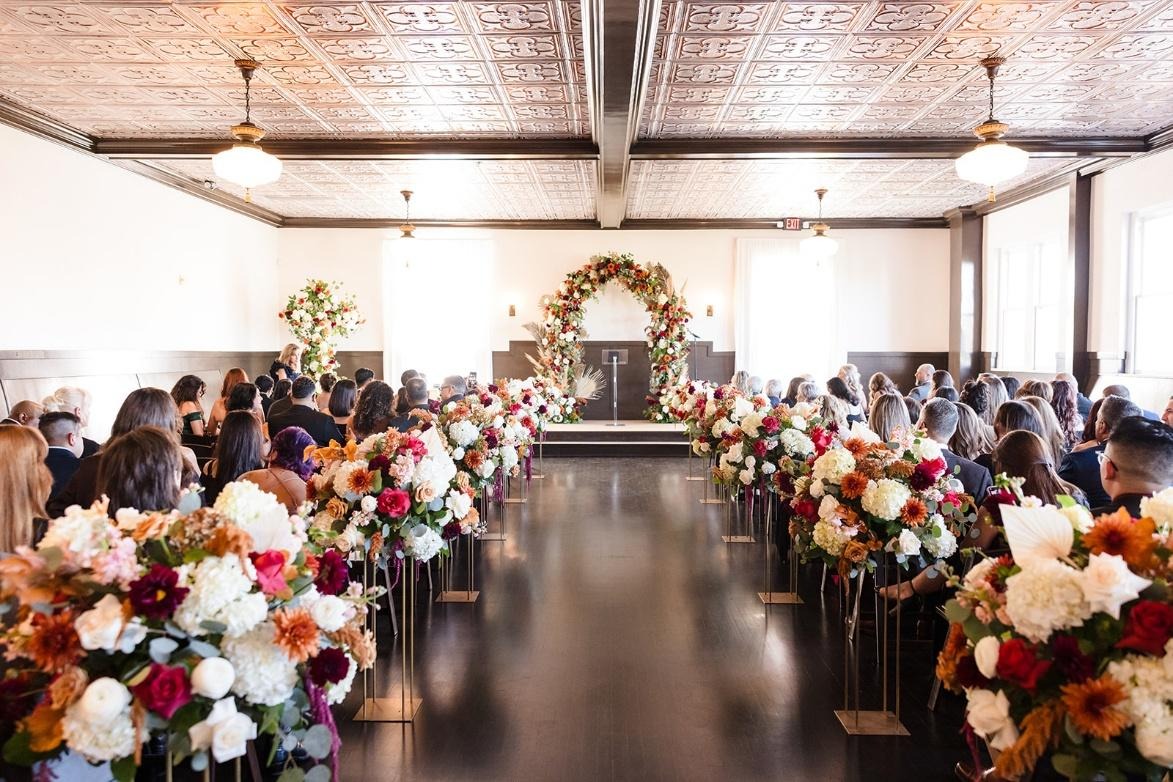
Wedding planning is a connected process. One decision often determines what can happen next. Your floor plan may affect rental quantities, your guest count may influence catering costs, and your design choices may need to be finalized before florals or stationery can move forward.
When a decision or response is delayed, it can create a ripple effect across the planning timeline. Regular communication helps your planner keep everything moving in the right order and prevents small delays from becoming last-minute emergencies.

Vendors Work With Firm Deadlines
Photographers, caterers, florists, rental companies, musicians, and other wedding professionals often need confirmations by specific dates. Some also have limited inventory or availability.
Your planner may contact you because a vendor needs a final selection, signed agreement, payment, or updated guest count. Responding promptly can help you:
A message that seems small may be connected to a much larger deadline behind the scenes.
Your Planner Needs to Know When Things Change
Plans naturally evolve. You may update the guest list, change your budget, reconsider a design choice, or have a family member request something new. These changes are normal, but your planner needs to know about them.
Even an update that feels minor could affect contracts, schedules, seating, transportation, staffing, or costs. Sharing changes early gives your planner time to evaluate the impact, adjust the plan, and present solutions before the issue becomes urgent.
For a real-life example, we had a bride casually mention that she switched which bridesmaid was the maid of honor. We were grateful that she mentioned it because we had to update the paperwork in multiple places (the processional, the altar, the grand entrance, the license signing, the bustling, the contact sheet, etc). How embarrassing would it have been if we approached the wrong party member for Maid of Honor duties in front of the entire crowd and the whole team needed to be corrected in the middle of announcements?

Open Communication Protects Your Budget
Good communication is also an important part of managing wedding expenses. If your priorities or financial comfort level change, tell your planner as soon as possible. They can help you reallocate funds, compare options, and identify areas where adjustments can be made.
Without that information, your planner may continue building a plan around assumptions that no longer fit your goals, wasting everyone’s valuable time (and time is money). Honest conversations about money allow them to give you more useful recommendations and help prevent unexpected expenses. Just be honest! If you want to put more (or less) money towards a vendor, say so, because we are probably researching vendors in your previous budget behind the scenes and we can adjust our recommendations accordingly!
Clear Feedback Helps Create a Wedding That Feels Like You
Your planner can offer professional guidance, but the wedding should reflect your personalities, values, and priorities. Clear feedback helps your planner understand what you love, what you dislike, and where you are willing to compromise. We still see that every wedding is different, even after 19 years of planning and coordinating! Our priorities may not be your priorities.
You do not always need to have the perfect answer. Even saying, "This does not feel like us," or, "We need more time to decide," gives your planner valuable direction. The more openly you communicate, the better they can shape the celebration around your vision.
Silence Can Create More Stress
It is common for couples to become overwhelmed and avoid opening wedding-related emails or making decisions. While taking a short break can be healthy, going silent often makes the planning process feel more stressful later.
If you need time, tell your planner. A quick message such as, "We have a busy week and will respond by Monday," sets expectations and allows your planner to adjust the schedule. You do not need to disappear simply because you do not have every answer yet.
How to Communicate Effectively With Your Planner
Strong communication does not have to be complicated. A few simple habits can make the planning experience smoother for everyone:
Communication Is a Partnership
Your wedding planner is your advocate, organizer, problem-solver, and guide. Their job is to support you, anticipate challenges, and bring the details together, but the strongest results come from collaboration.
Consistent communication builds trust, protects your timeline and budget, and gives your planner the information needed to do their best work. Most importantly, it allows you to move through the planning process with greater clarity and confidence.
You do not need to be available every hour, and you do not need to have every answer immediately. You simply need to stay connected. A timely update, an honest concern, or a quick acknowledgment can make a meaningful difference - not only in how smoothly your wedding is planned, but also in how much you enjoy the journey to your wedding day. Let us know if you need help! Happy planning!